

Tanat Valley 3 by Peter Drost
This article is taken from a Western Thunder thread: Converting RTR Wheel Sets to S7 or Any Other Profile
Here is a sequence of converting some RTR wheels to S7 but can be to any profile as required.
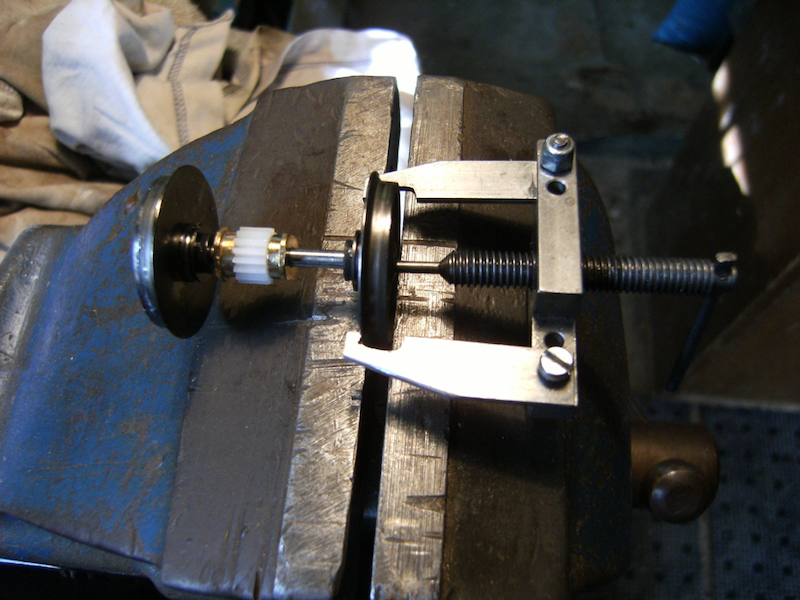
Firstly, pull the wheels from their axles. If you don't have a puller they can be removed by tapping the axle through with a punch whilst supporting the wheel over the vice jaws.
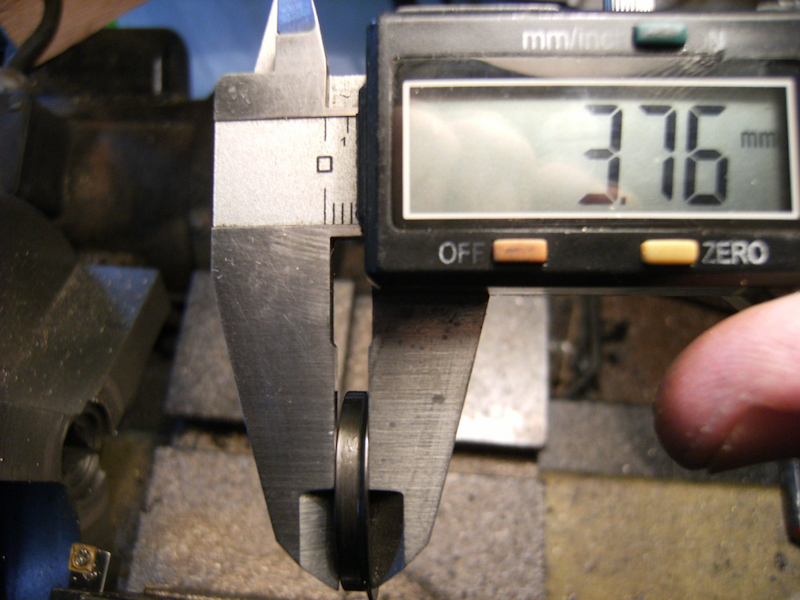
Measure the tyre width and the flange width, work out the amount to remove for S7 without making the wheel too narrow (S7 tyre width is approx. 3.25 for drivers)
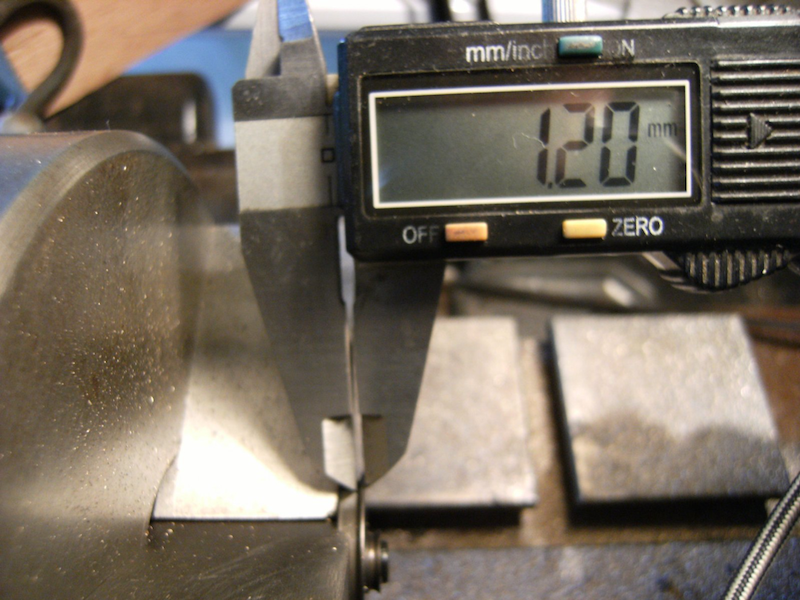
Here we see the tyre width is 3.70 mm and the flange width 1.20mm so we can remove 0.45mm from the back reducing the tyre to 0.75mm at the same time leaving the tyre width at 3.25mm, ideal for S7.
For F/S just reduce the flange down to 1.00mm.
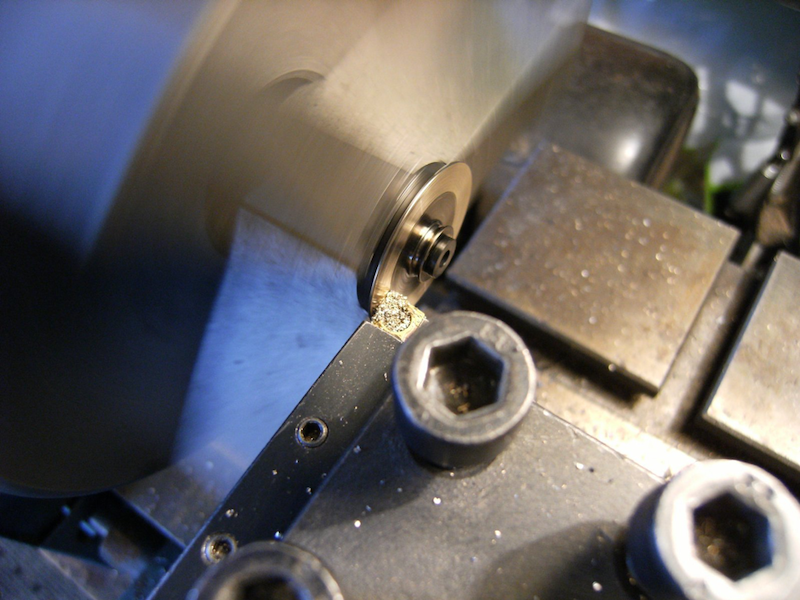
Next grip the wheel face out in the jaws of your lathe, soft jaws are preferable tuned out to accept the wheel but conventional jaws will work if they are accurate enough. Remove metal from the rear for S7 to reduce the flange width to 0.75mm (This gives enough meat for the re profiling tool to do its job).
If you are profiling for F/S. reduce the flange to 1.00mm.
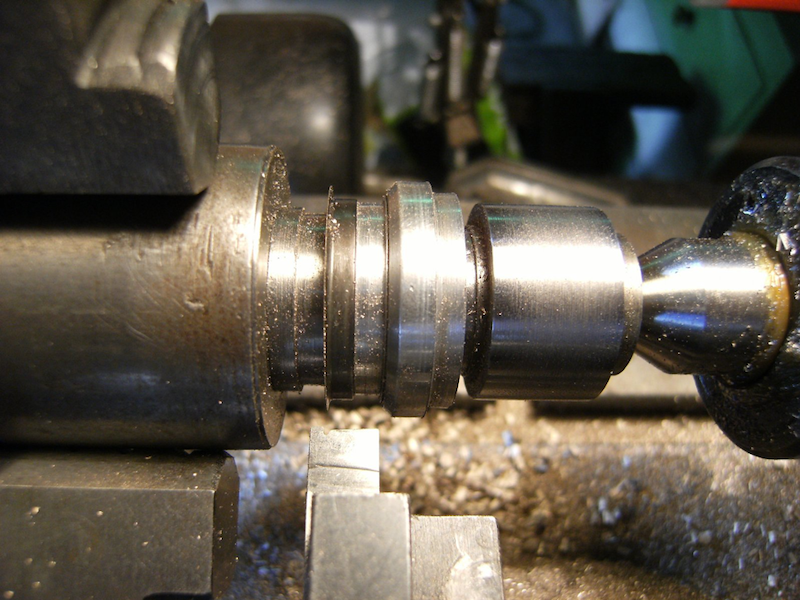
Now to mount the wheel for reprofiling you will need a couple of mandrels, discs of metal (I use aluminium or brass) turned to grip the wheel but smaller in dia. so as to allow room for the profiling tool.
The rear mandrel can be turned with a spigot to be a nice tight push fit in the axle bore or you can fit a temporary axle and bore the mandrel to suit.
The outer mandrel is bored to accept a revolving centre fitted in the tailstock.
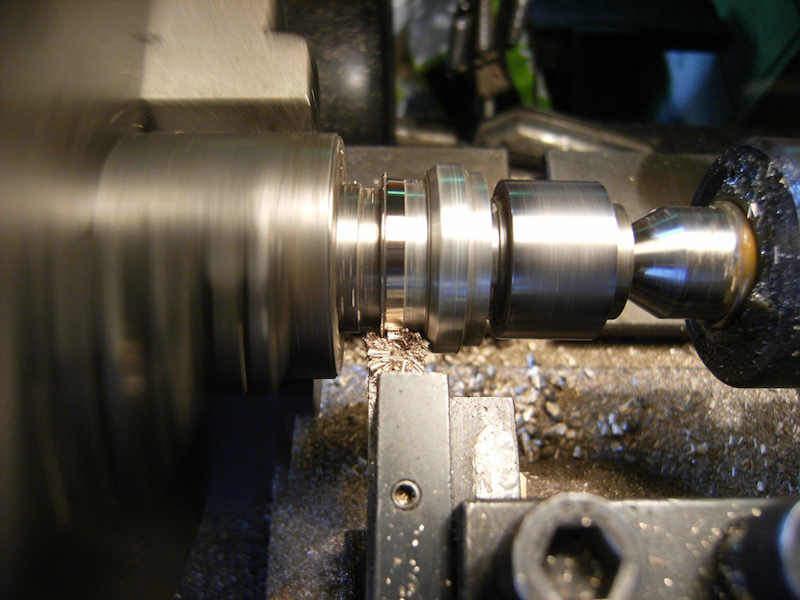
Tighten up the tailstock and reprofile the wheel. I like to turn the lathe on and blacken the tyre surface with a marker pen, then when introducing the profile tool you will see how concentric or not the wheel is.
Take the first cut until you have just removed the blackening; measure the dia. with verniers and take note of the dimension so that the rest of the wheels can be turned to the same dimension.
I should have first said that before this process that you should measure all the wheels and start with the smallest dia. They are not always exactly the same from the manufacturers!
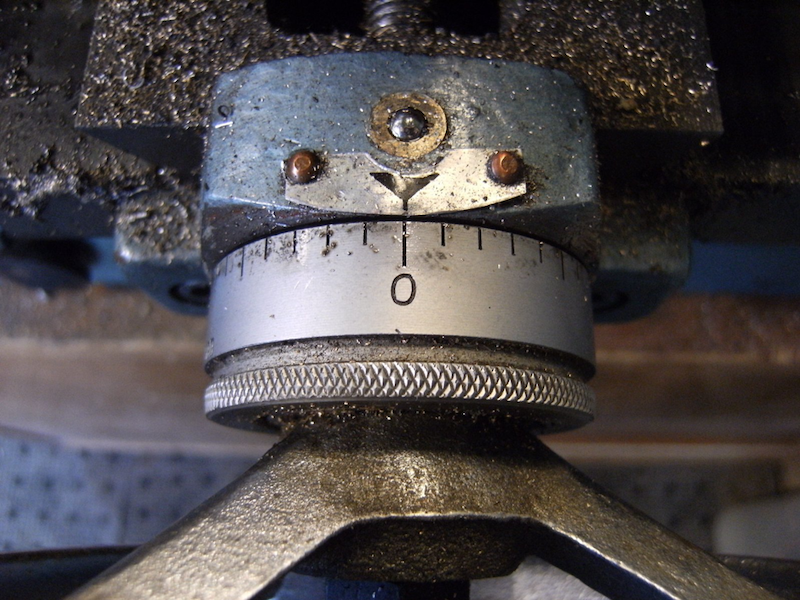
Once the first one is turned set the dial on your cross feed to zero so that all the others conform to the same dia.
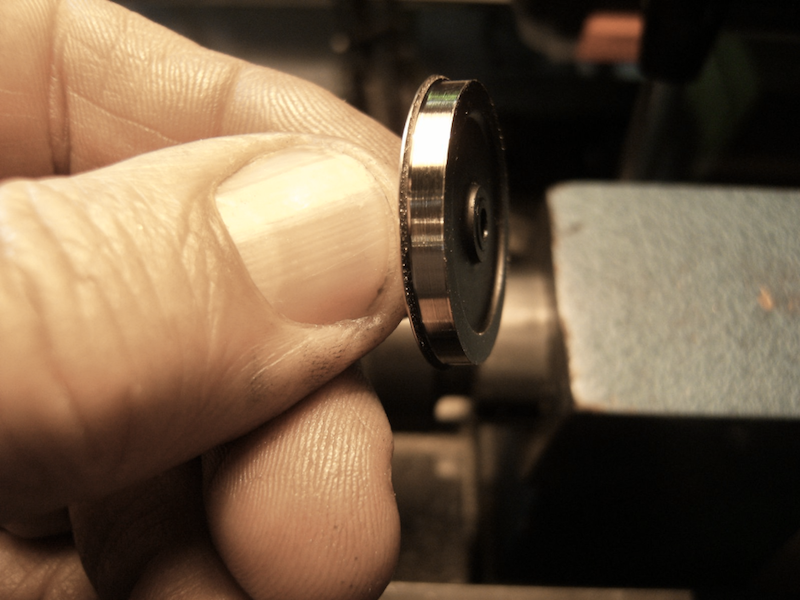
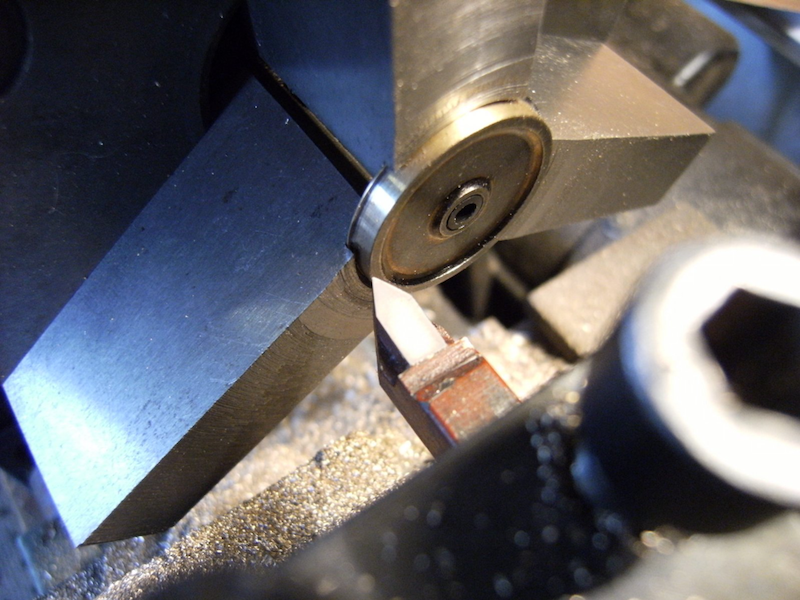
Last job is to put a bevel on the outside edge of the tyre, on the prototype this is not 45 degrees.
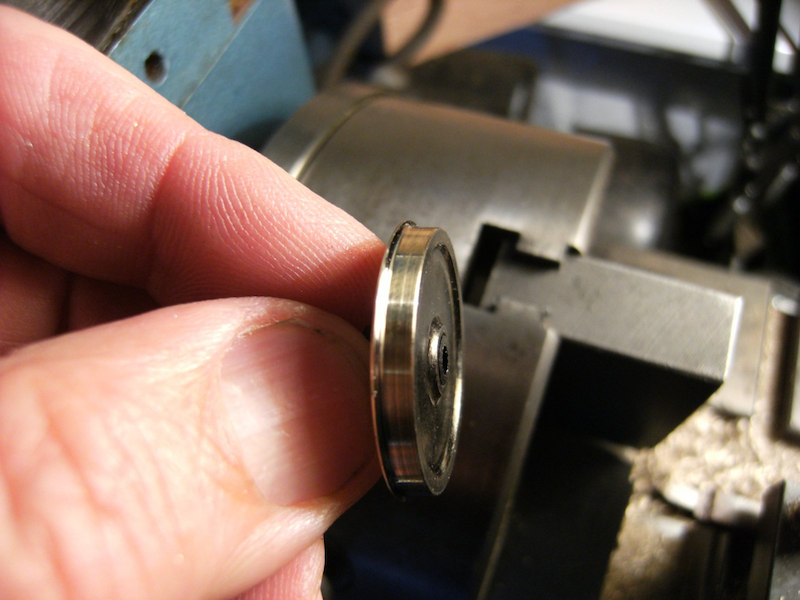
I use a tool which cuts at about 30 degrees, in model form it's probably not that important just depends how pedantic you are.
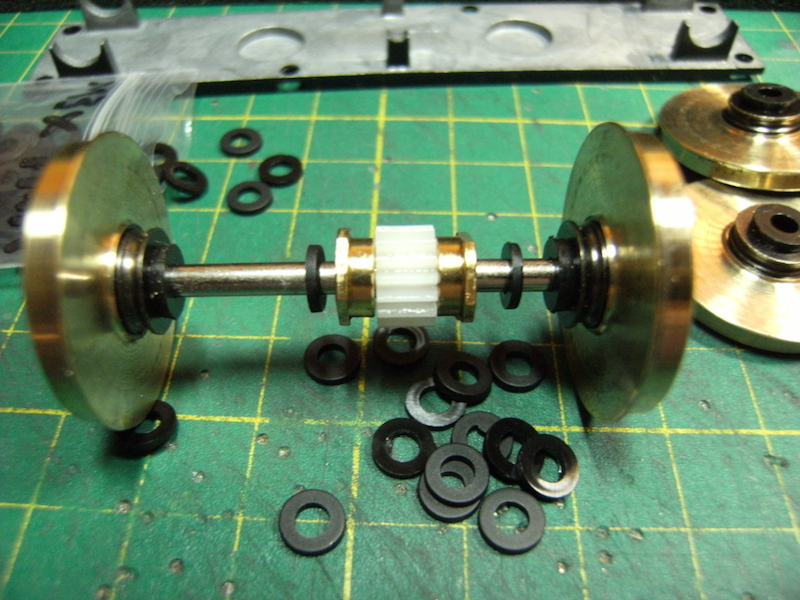
Reassembly, in this case Heljans', may require spacing washers to take up slack in the case of S7 but not narrow gauge F/S.
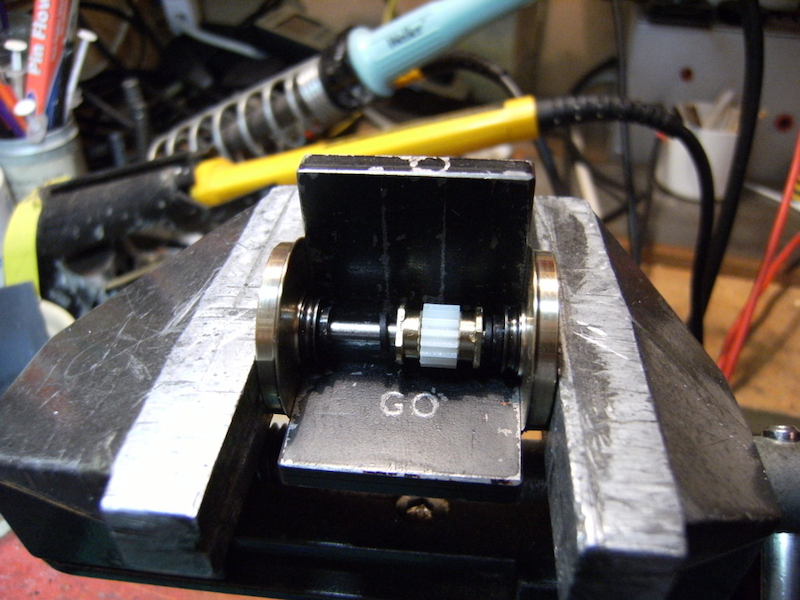
I close the wheel sets up gently in the vice with a back to back gauge.
An easier way of working out what thickness packing washers to use for S7 is to remount the wheelset back into the bogies without the washers and what I now do is cut a segment out of the washer that is narrower than the axle dia. and push them on with some thin pliers or heavy gauge tweezers. That nylon washers are flexible enough to be able to do this plus working out what thickness you need is easily done with feeler gauges.
The washers are cheaply available from retailers on places like eBay etc.
This process is for solid disc wheels. Re-profiling Slater's-type spoked wheels needs a slightly different way of clamping and turning them and I'll address how I do this later.
Exactly how I do them Col, but I haven't found it necessary to use any spacers for S7
The reason for adding the spacers was to stop any excessive side play on the geared axles as my thinking was that the gears might get damaged.
But I'm happy to acknowledge your experience with these models.
Top
Tanat Valley 3 by Peter Drost

John Borkowski converts Accurascale hopper wagons to S7

The Story of Reeth by Simon Caygill
For further information on the ScaleSeven Group, or if you have any questions: